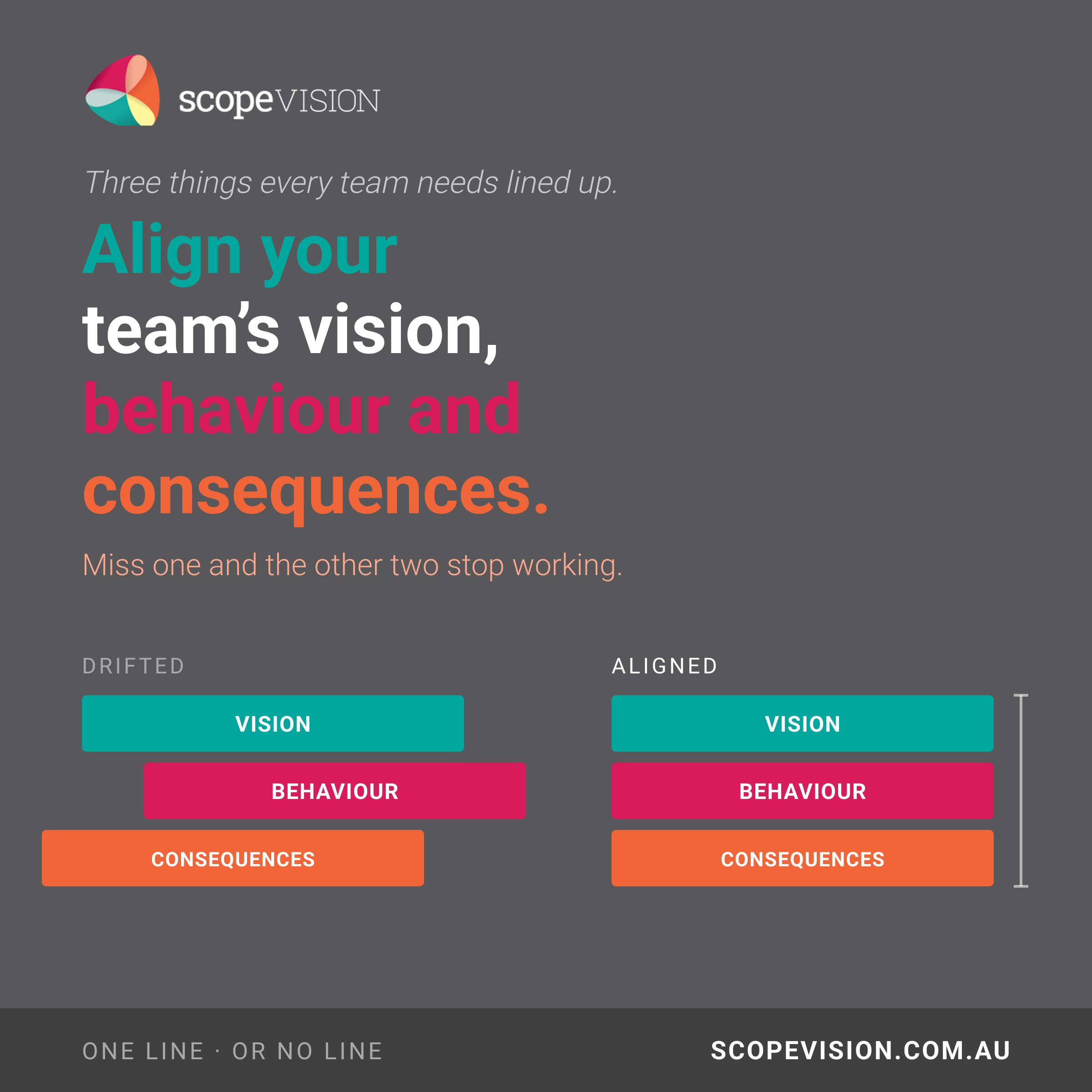
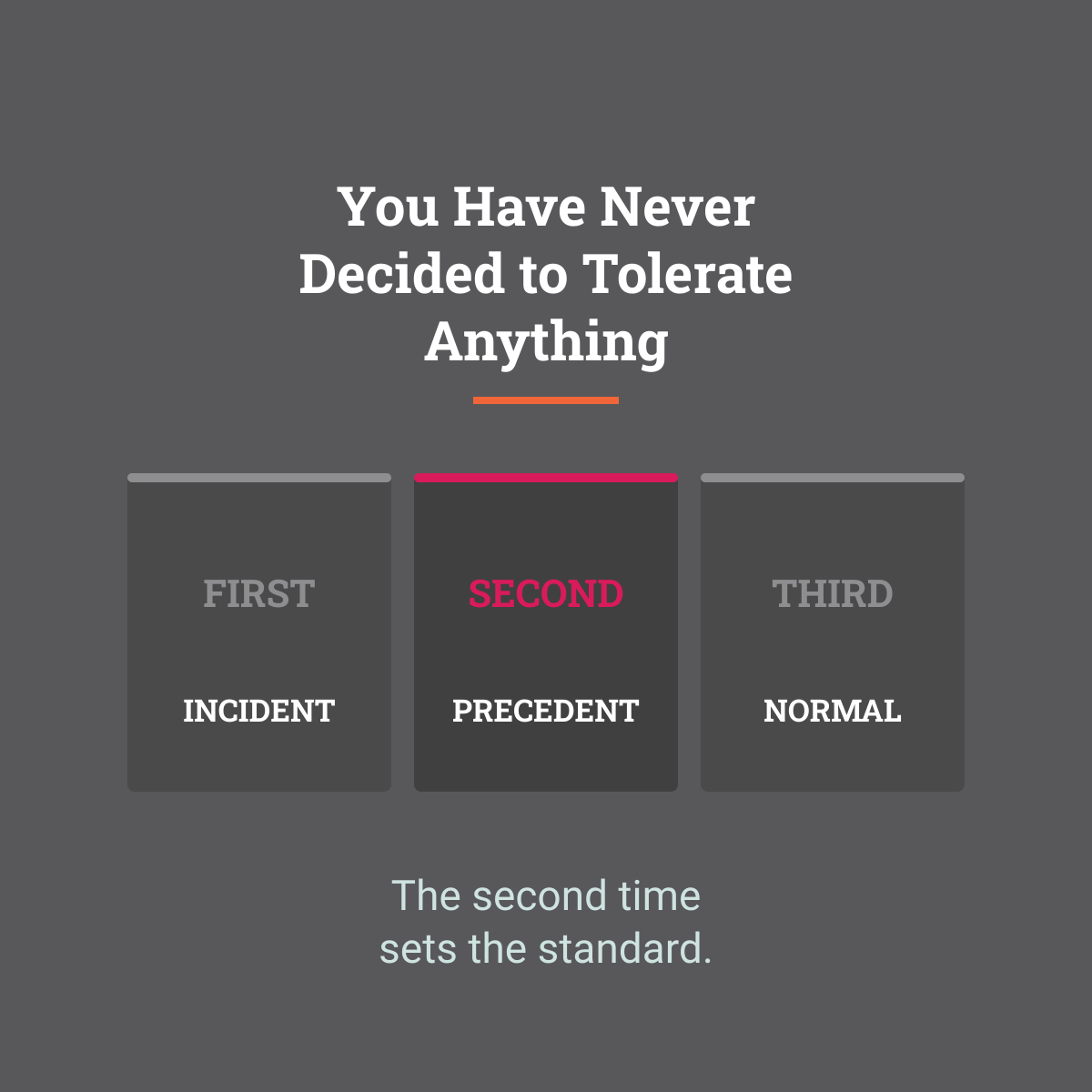
Nobody sits down on a Monday and decides what their team will be allowed to get away with. Which is a problem, because your team is operating to a set of standards right now, and not one of them is the standard you would have written. Something happens, you are busy, you let it go. Then it happens again, and what you do the second time becomes the rule. Here is how to see what you have already agreed to, and why you cannot simply start enforcing it tomorrow.
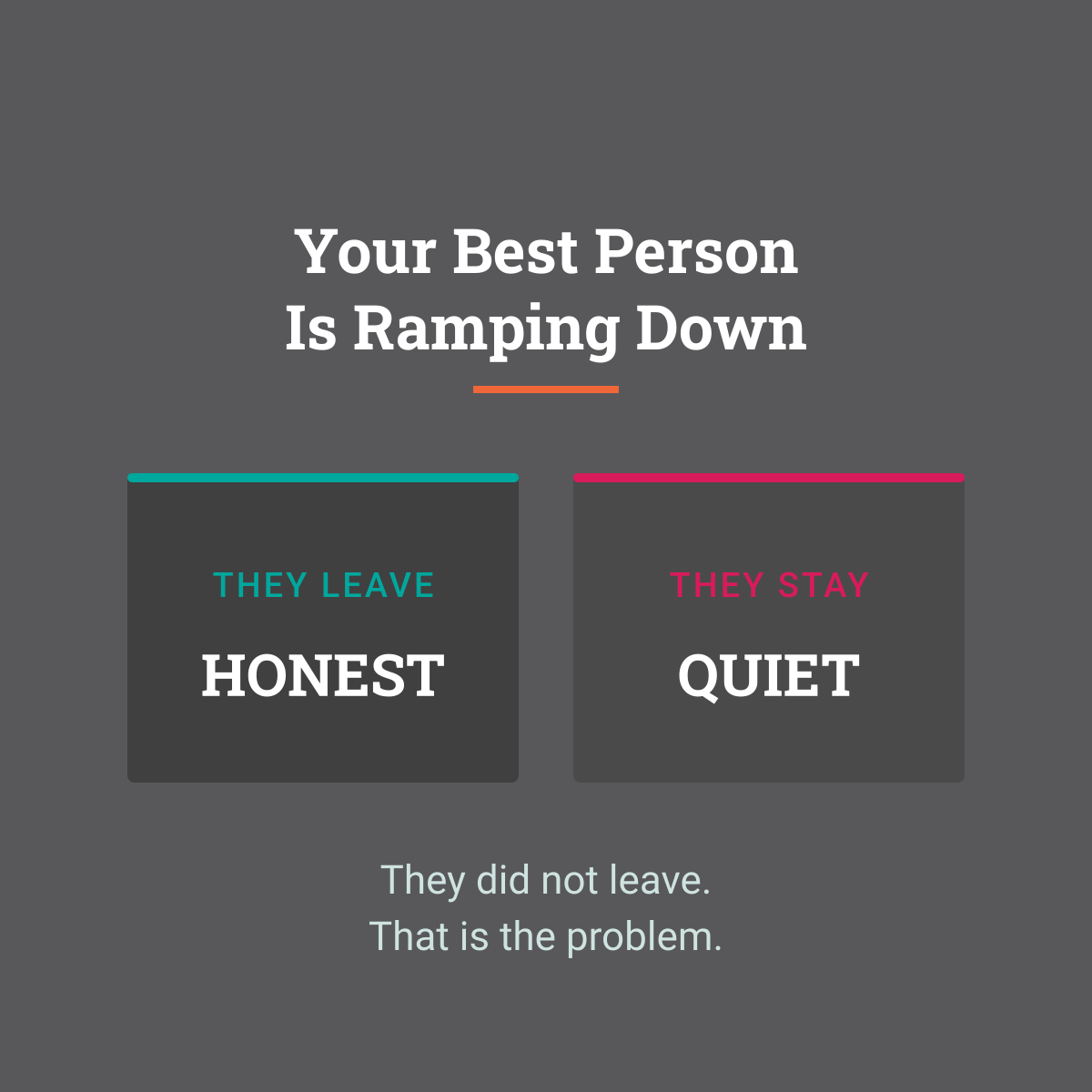
Your Best Person Is Ramping Down
Your best person is still here. That is not the same as still having them. There is a moment when a high performer works out that the standard they hold themselves to is not the one anybody else is being held to. Most people assume the risk is that they leave. The more common outcome is quieter and more costly. They stay, and they ramp down to the level everyone else is getting away with. One question tells you whether it has already happened.
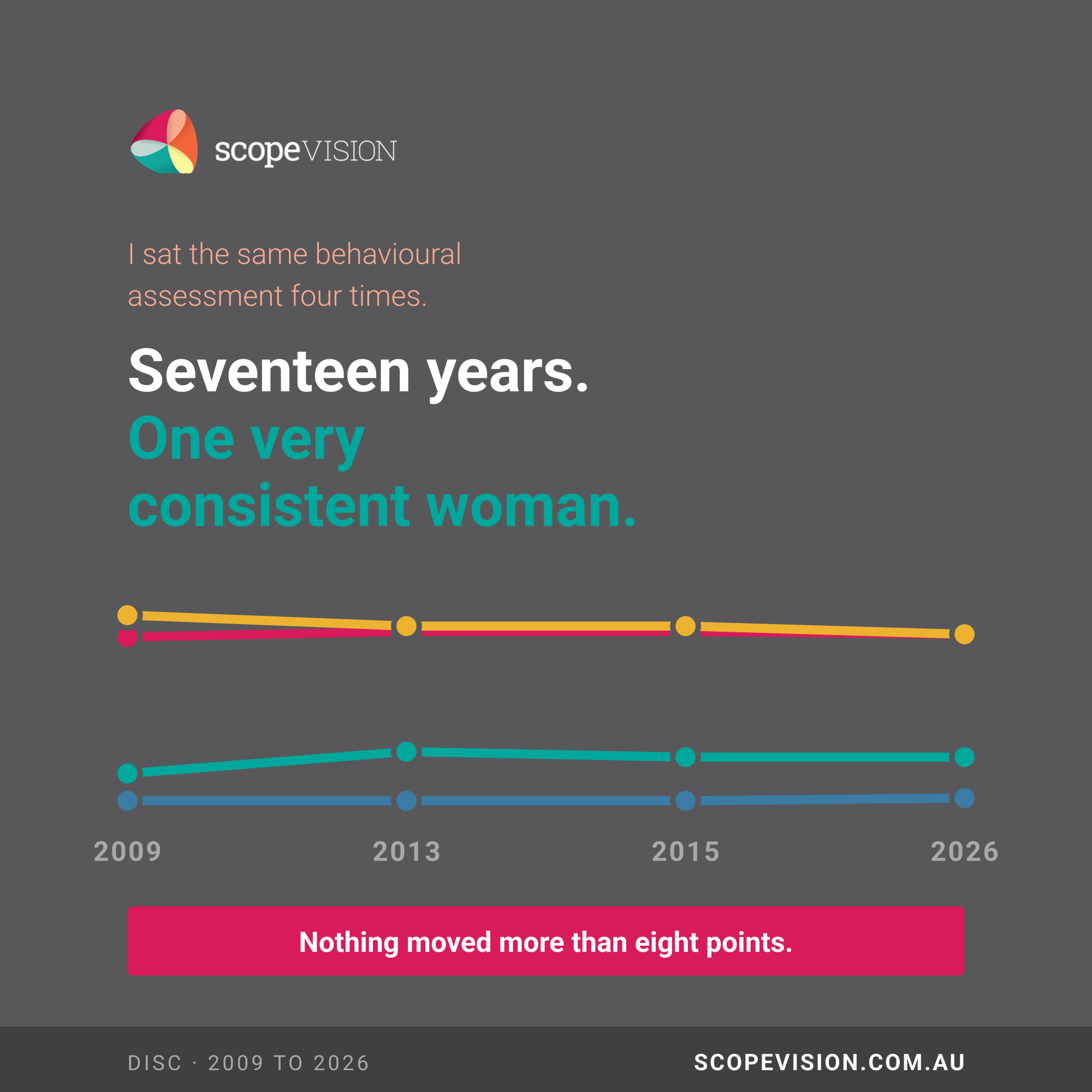
Seventeen Years, Four Reports, One Very Consistent Woman
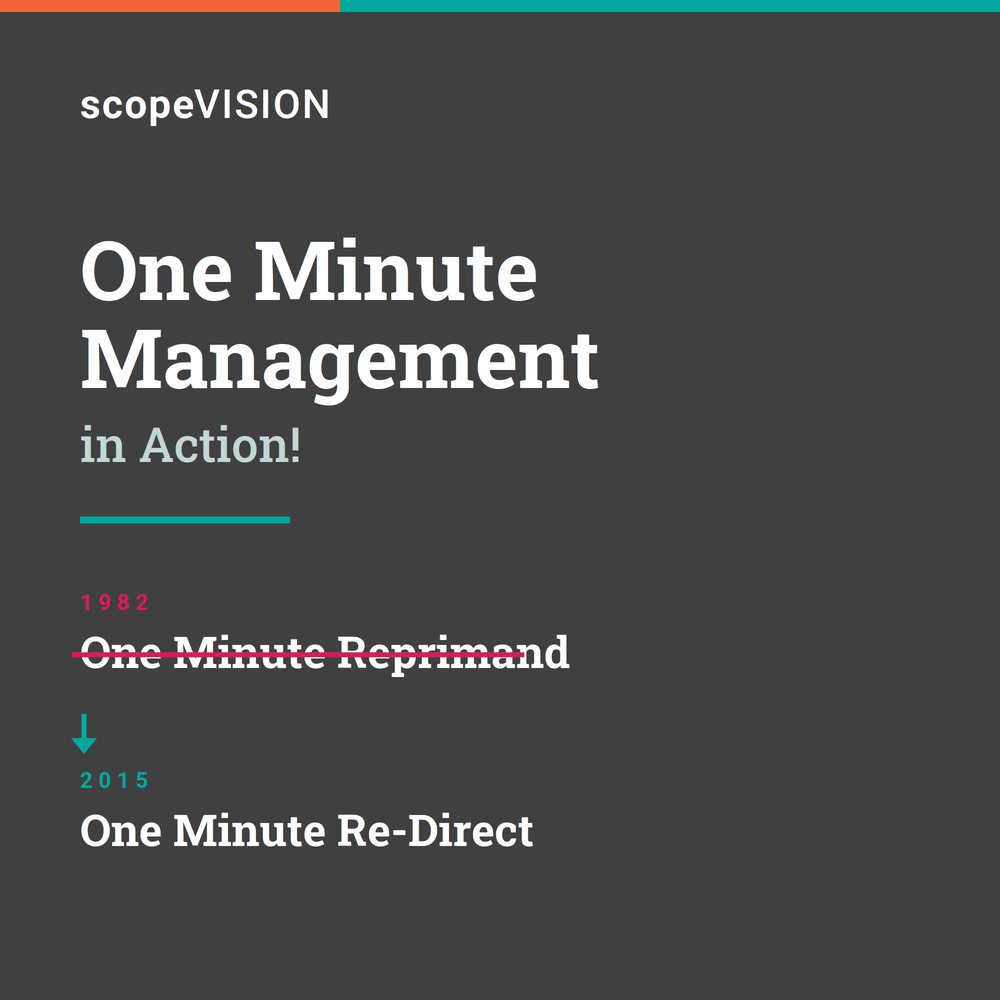
One Minute Management in Action!
Stop SWOTing. Start SOARing.
Ever run a planning session that starts with a whiteboard full of everything that's wrong? There's a better way. SOAR is a strengths-based planning framework that swaps "what's broken" for "what's working" — and it changes the whole energy in the room. In this post we break down why SWOT isn't wrong, just tired, and how four simple questions can get your team building instead of defending. Read it, steal the questions, watch what happens.
The Value of Time
4 Tips for Building a Happy Workforce
It is not only salary that affects happiness. If you are working more than sixty hours a week and cannot connect with why you are doing the work, you are likely to be unproductive and unhappy. People paid handsomely to do meaningless work do not stay. So if money is not the driver, what is? Four things to focus on, none of which involve a pay rise.
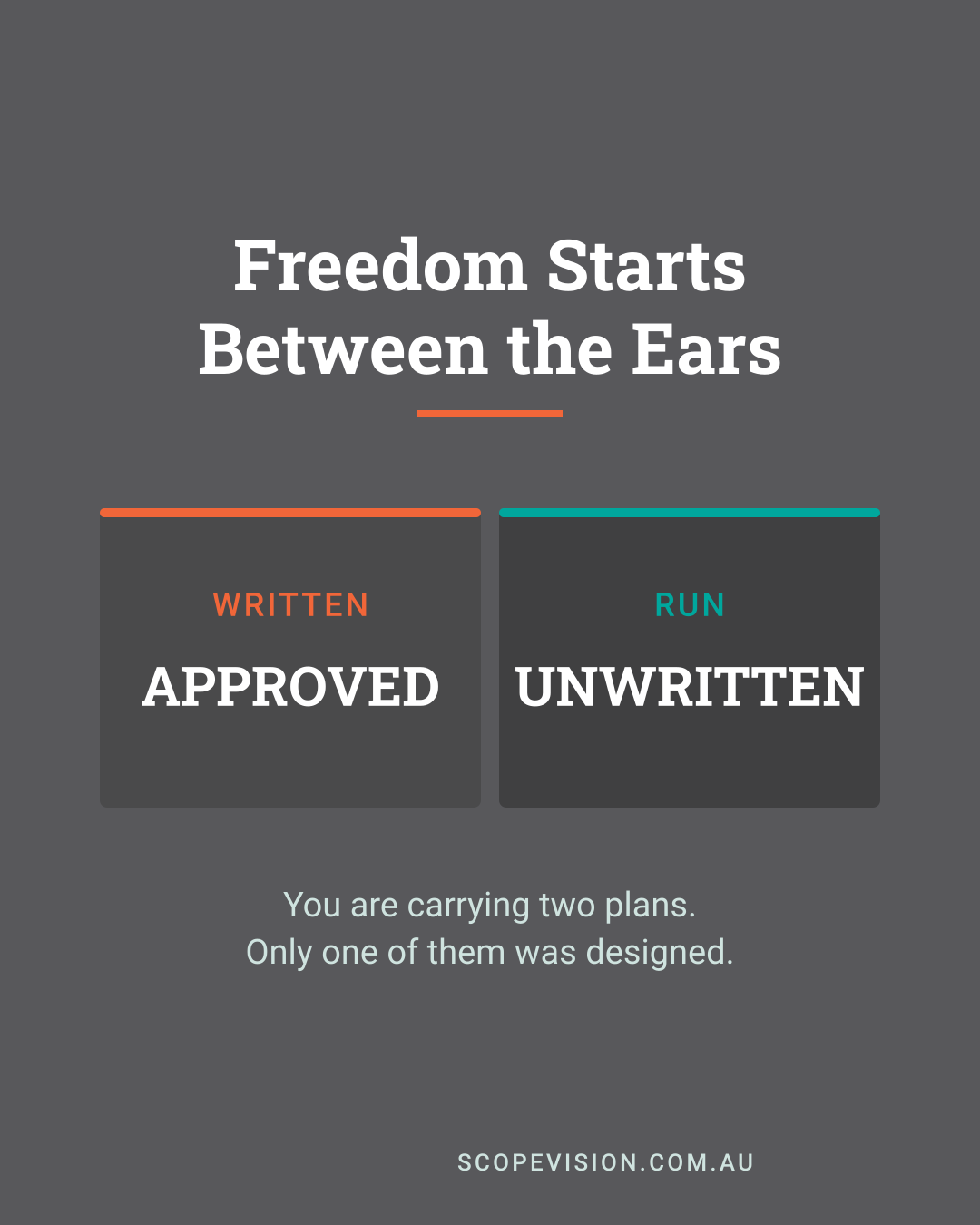
Freedom Starts Between the Ears: The Two Plans You Are Carrying
Somewhere in your organisation there is a plan with your name on it. You have read it once. You could not recite it now. Most leaders carry two plans: the one they wrote and the one they run. Only one of them was ever designed, and it was not the one that decides what happens on Tuesday. How to edit a plan until it is yours, what has to survive the edit, and the three rhythms that stop it going quiet.
How to ....Drive Team Results
Find your team's plan and work out when somebody last looked at it. For most teams the answer sits between six weeks ago and never, and the plan itself is rarely the problem. Nobody abandoned it. It stopped being mentioned, and then it stopped being true. Here is the two-question test that tells you which of four states your plan is in, and the three habits that bring it back.
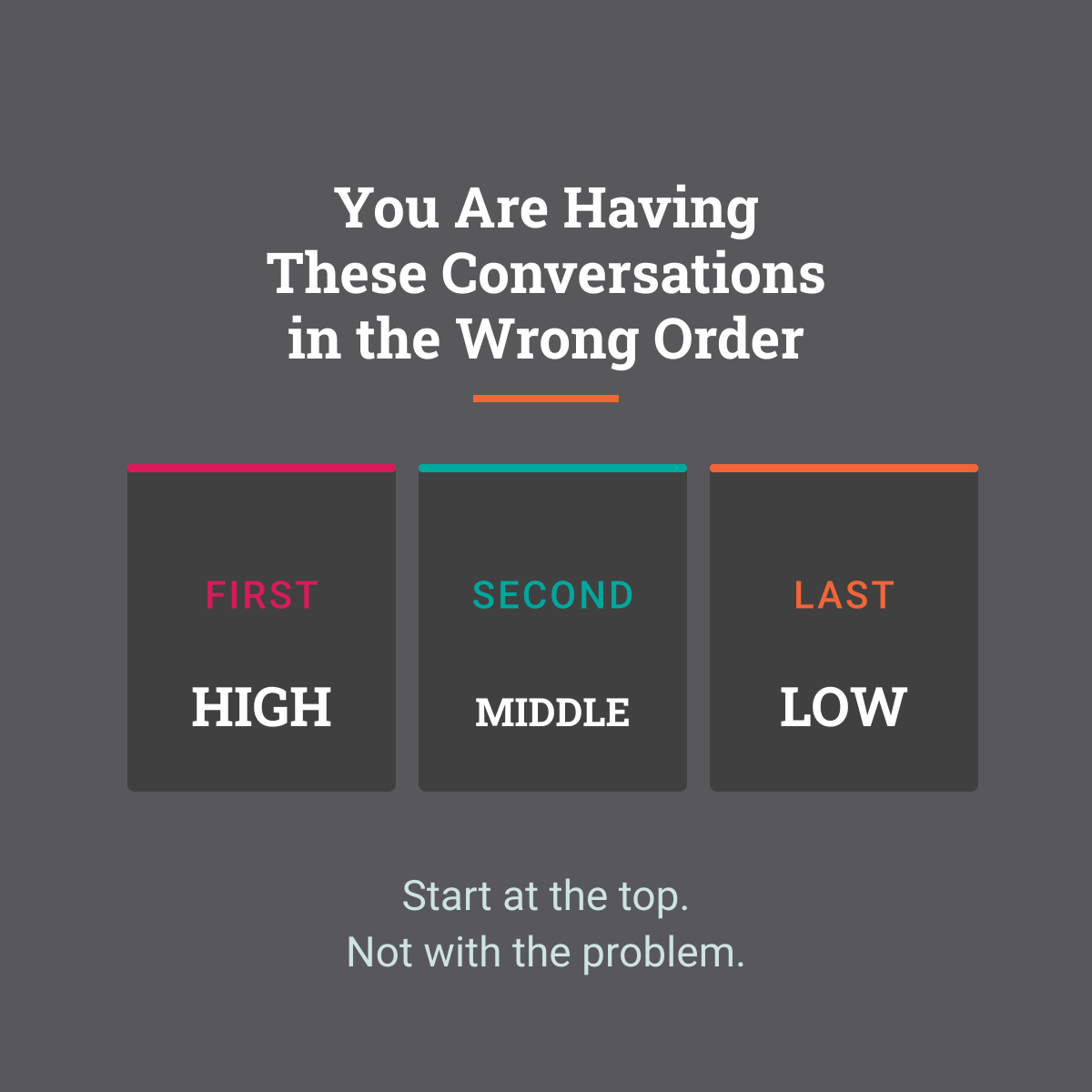
You Are Having These Conversations in the Wrong Order
Think about the last month. Who got the most of your attention? It was almost certainly the person causing you the most trouble. Now think about your best person. How much time did they get? Most leaders spend the bulk of their attention on the bottom of the team and almost none on the top, which means the person who most repays it receives the least. Quint Studer's model says start at the top, and the order does the work.
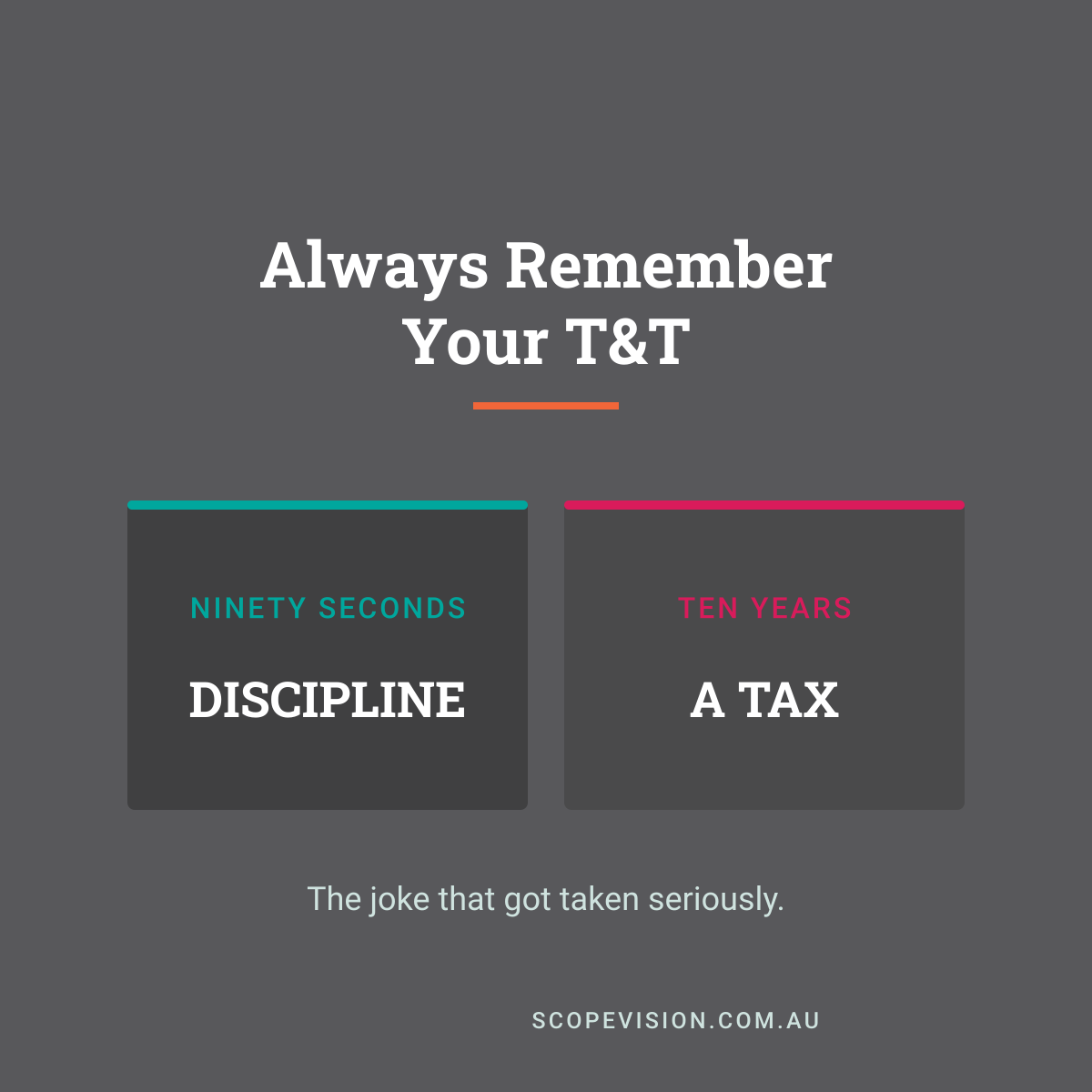
Always Remember Your T&T; The Joke that got taken seriously
It was an off the cuff comment in a classroom, and it should have stayed there. We named the recovery: tits and teeth. Straighten up, smile, carry on. It got a laugh, then it got used again the following week, then it stopped being a joke and started being a standard. Ten years ago I wrote it up as a leadership capability. This is the correction, including what seventeen years of my own assessment data says it has cost.
Feedback; An Elephant or a Gift?
Feedback is a gift. It says so on a poster somewhere in your building. So why does almost everybody flinch when they hear the word? Because most of what arrives labelled as a gift is an elephant: large, unasked for, impossible to return. A gift is chosen for the person receiving it. An elephant is chosen for the person giving it. One question, asked before you open your mouth, tells you which one you are holding.
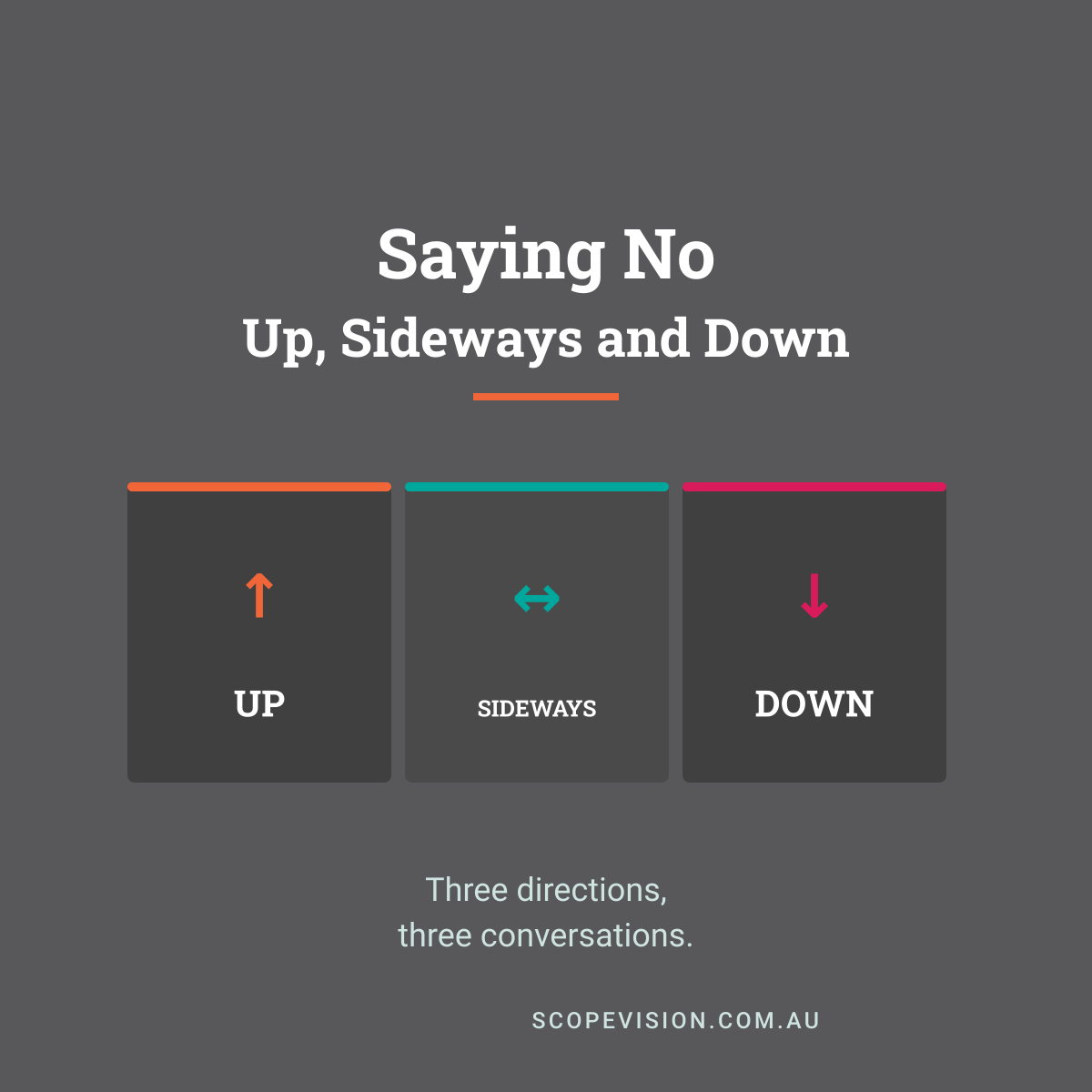
Sometimes it's the Right Thing to Say 'No'!
You said yes again on Tuesday. Not because you had capacity, but because the person asking outranked you, or because saying no would have taken a longer conversation than doing the work. Most advice about saying no is written for people who can. Saying no to your manager, your peer and your own team member are three different conversations, and only one of them is about the word no. The Three Directions, and what is actually available to you in each.